


Tudor House, a school with a rich history and a vibrant community, has been a cornerstone of education and tradition for many years. The stories and anecdotes from its past paint a vivid picture of its evolution and the people who have been part of its journey.
John Maffey is one of the most notable figures in Tudor House’s history, a former staff member who shared many fond memories during a recent conversation. John reminisced about the unexpected visits from former students and staff, highlighting the strong connections that people maintain with the School long after they have left. He recalled a visit from a former deputy headmaster who had a significant impact on the School during his tenure. This deputy headmaster’s fondness for Tudor House was evident as he returned to visit, bringing with him a sense of nostalgia and pride.
John also shared a touching story about a former student who visited the School to see a plaque in the Chapel that she had donated in memory of her mother. This plaque, a symbol of her family’s connection to Tudor House, was a testament to the lasting impact the School has on its community. The student’s mother had lived in the area and her legacy continued to be honoured through this donation.
Another interesting anecdote involved the formation of a branch of the Australian College of Education in the Southern Highlands. John was instrumental in its establishment, having attended the first meeting and quickly becoming the secretary. His dedication to education and the community was evident as he took on various roles, including chairman and helped the branch grow and thrive.
The conversation also touched on the history of primary boarding schools in Australia. Tudor House, once a prominent primary boarding school, had a significant number of students compared to other schools in the country. John noted that, while primary boarding is less common today, Tudor House continues to offer boarding for younger students, maintaining its tradition and providing a unique educational experience.
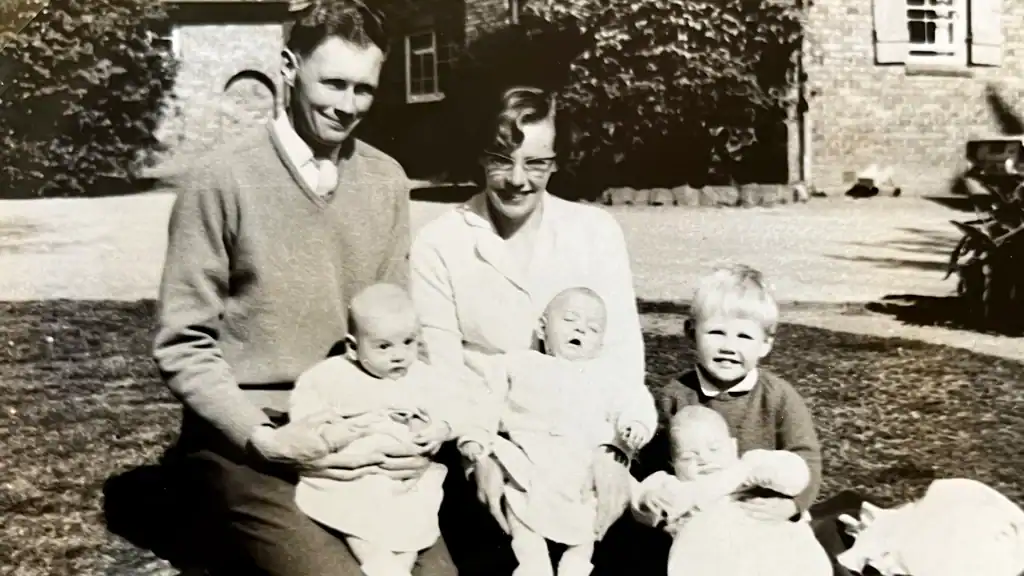
John’s connection to Tudor House extended beyond his professional life. He shared personal stories about his family, including his parents’ involvement in the School. His father both had deep ties to the educational community. These connections were further strengthened when John became a teacher and later a headmaster, continuing the family legacy.
One of the most fascinating stories John shared was about his time at Dulwich College in London. He recounted how he secured a position there through a connection with Edward Dixon, a friend of the headmaster. This opportunity allowed John and his wife to experience life in England, where they made lasting memories and built strong relationships with the staff and students.
John’s dedication to education was also evident in his involvement with the Junior School Heads Association of Australia (JSHAA). He played a crucial role in negotiating the association’s autonomy from the Headmasters Conference, allowing it to become an independent body. This move paved the way for greater collaboration and growth among junior schools in Australia.
In addition to these personal anecdotes, John discussed the evolution of the School’s facilities and programs. He recalled the construction of a dam for irrigation purposes, which later became a popular spot for boating and swimming. This project, initiated by a generous offer from a local contractor, showcased the School’s ability to adapt and innovate.
John also mentioned the introduction of the clothes test, a unique swimming challenge that required students to swim in their clothes and undress while treading water. This test, designed to ensure students’ safety and preparedness, became a memorable part of the Tudor House experience.
The conversation also touched on the challenges and changes faced by the School over the years. John noted the difficulties in maintaining boarding numbers and the competition from other schools. Despite these challenges, Tudor House has continued to thrive, thanks in part to its strong community and dedicated staff.
One of the most poignant moments in the conversation was John’s reflection on his late wife, Jenny. He shared stories of their time together at Tudor House, including how they met and their early years of marriage. Jenny’s involvement in the School, both as a staff member and a supportive partner, was a testament to her dedication and love for the community.
John’s stories also highlighted the importance of tradition and legacy at Tudor House. He mentioned the commissioning of portraits of former headmasters, including Mr Dixon and Mr Mayer, to honour their contributions to the School. These portraits, displayed prominently in the School, serve as a reminder of the rich history and the people who have shaped Tudor House.